
Your Gut Microbiome's Effect on Your Health

- Description
- Curriculum
- FAQ
- Announcement
- Reviews
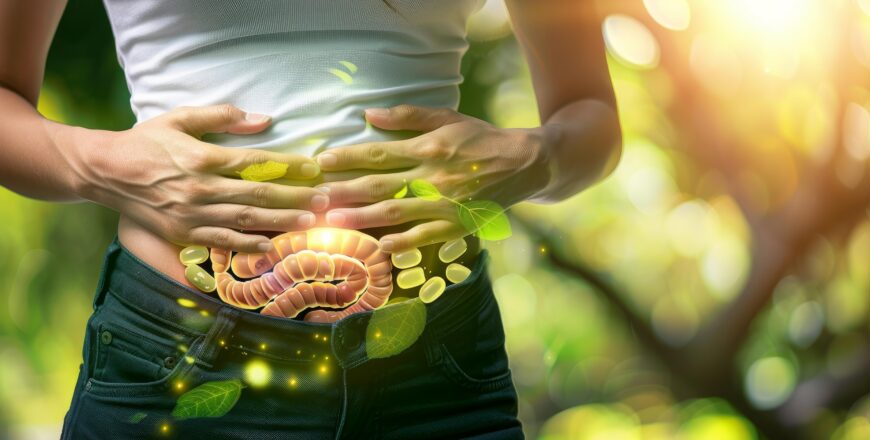
Your gut microbiome plays a critical role in your overall health. It’s a community of trillions of bacteria, fungi, and other microorganisms living in your digestive tract. These microbes influence digestion, immune function, mood, and even the health of your skin. Here’s a breakdown of the key ways your gut microbiome affects your health:
1. Digestion and Nutrient Absorption
The bacteria in your gut help break down food, making it easier for your body to absorb nutrients like vitamins, minerals, and fatty acids. A healthy microbiome can improve digestion, reduce bloating, and enhance nutrient uptake.
2. Immune System Support
A large portion of your immune system resides in the gut. The gut microbiome helps regulate immune responses, protecting against harmful pathogens while maintaining tolerance to harmless substances like food and beneficial bacteria.
3. Mental Health and Mood Regulation
The gut is often referred to as the “second brain” because of the gut-brain axis—a communication pathway between your digestive system and your brain. Gut bacteria produce neurotransmitters like serotonin, influencing mood, stress levels, and mental health.
4. Weight Management and Metabolism
Certain bacteria in the gut are linked to metabolism and energy production. A balanced microbiome can help regulate weight by influencing how your body stores fat and balances blood sugar levels.
5. Inflammation and Chronic Diseases
An imbalance in gut bacteria, known as dysbiosis, can lead to chronic inflammation, which is linked to conditions like heart disease, diabetes, and even cancer. Maintaining a diverse and balanced microbiome can help reduce the risk of these diseases.
6. Skin Health
Gut health is also connected to the appearance of your skin. Conditions like acne, eczema, and psoriasis can be influenced by inflammation and dysbiosis in the gut, making a balanced microbiome key to achieving clear, healthy skin.
-
1
 Ideas About Painting
Learning by video lessons is considered effective and interactive. With MasterStudy you can create lessons with video content by using such resources as YouTube and Vimeo for embedding the links, or upload video files from your computer.
-
2
What's Your Story?
Video Lesson Source: Youtube.
-
3
 Best Ways to Create Illusion
Add Slides to Your Lessons.
-
4
 Middle Quiz
Productivity Hacks to Get More Done
- Facebook News Feed Eradicator (free chrome extension) Stay focused by removing your Facebook newsfeed and replacing it with an inspirational quote. Disable the tool anytime you want to see what friends are up to!
- Hide My Inbox (free chrome extension for Gmail) Stay focused by hiding your inbox. Click "show your inbox" at a scheduled time and batch processs everything one go.
- Habitica (free mobile + web app) Gamify your to do list. Treat your life like a game and earn gold goins for getting stuff done!