
How lifestyle changes can help cure PCOS
Are you looking to learn a new language? Learning a new language helps expand your skill set as a developer ...
Show more

- Description
- Curriculum
- FAQ
- Announcement
- Reviews
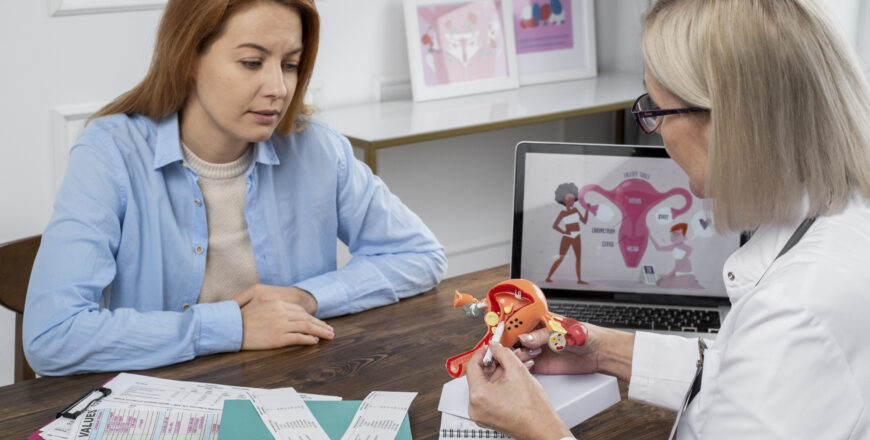
Polycystic Ovary Syndrome (PCOS) is a hormonal disorder that affects many women of reproductive age, and while there is no definitive cure, certain lifestyle changes can significantly help manage its symptoms and even reverse some of the conditions associated with it. Here’s how lifestyle changes can contribute to managing PCOS:
- Dietary Changes
- Low Glycemic Index (GI) Diet: Eating low-GI foods helps control insulin levels, which is crucial since many women with PCOS have insulin resistance. Foods like whole grains, vegetables, legumes, and lean proteins can stabilize blood sugar.
- Healthy Fats: Incorporating omega-3 fatty acids from sources like fish, flaxseeds, and walnuts can help reduce inflammation, a common issue in women with PCOS.
- Cut Back on Processed Foods and Sugars: Reducing sugar and refined carbs can decrease insulin spikes, which are often linked to weight gain and hormonal imbalances in PCOS.
- Precision MedicineRegular Exercise:
- Moderate to Intense Workouts: Regular physical activity helps lower insulin levels, improve ovulation, and boost overall metabolic health. Aerobic exercises like walking, running, or swimming, combined with resistance training, can be particularly beneficial.
- Weight Loss: Even modest weight loss (5-10% of body weight) can improve insulin sensitivity, reduce androgen levels, and regulate the menstrual cycle.
- Stress Management
- Mindfulness and Relaxation: Chronic stress can worsen PCOS symptoms by increasing cortisol levels, which in turn disrupts insulin and androgen levels. Practices such as yoga, meditation, and deep breathing exercises can reduce stress and promote hormonal balance.
- Adequate Sleep: Sleep disturbances can exacerbate PCOS symptoms. Improving sleep hygiene by maintaining a regular sleep schedule and reducing exposure to screens before bed can help regulate hormones and improve overall well-being.
- Balancing Hormones Naturally
- Herbal Supplements: Certain herbs like spearmint, cinnamon, and inositol have been found to help manage PCOS symptoms by improving insulin sensitivity and balancing hormones.
- Vitamin and Mineral Support: Supplements like vitamin D, magnesium, and chromium may help reduce inflammation, regulate blood sugar, and improve symptoms related to PCOS.
- Consistent Medical Check-Ups
- Tracking Symptoms: Regular monitoring of symptoms like weight, menstruation, and insulin levels helps in fine-tuning lifestyle adjustments.
- Medical Guidance: While lifestyle changes can make a huge difference, combining them with medical treatments (like birth control pills, metformin, or anti-androgen medications) may be necessary for more severe cases.
Section 1: Lectures
-
1
 Ideas About Painting
Learning by video lessons is considered effective and interactive. With MasterStudy you can create lessons with video content by using such resources as YouTube and Vimeo for embedding the links, or upload video files from your computer.
-
2
What's Your Story?
Video Lesson Source: Youtube.
-
3
 Best Ways to Create Illusion
Add Slides to Your Lessons.
-
4
 Middle Quiz
What is Lorem Ipsum?
Lorem Ipsum is simply dummy text of the printing and typesetting industry. Lorem Ipsum has been the industry's standard dummy text ever since the 1500s, when an unknown printer took a galley of type and scrambled it to make a type specimen book
Why do we use it?
It is a long established fact that a reader will be distracted by the readable content of a page when looking at its layout. The point of using Lorem Ipsum is that it has a more-or-less normal distribution of letters, as opposed to using 'Content here, content here', making it look like readable English
Productivity Hacks to Get More Done
- Facebook News Feed Eradicator (free chrome extension) Stay focused by removing your Facebook newsfeed and replacing it with an inspirational quote. Disable the tool anytime you want to see what friends are up to!
- Hide My Inbox (free chrome extension for Gmail) Stay focused by hiding your inbox. Click "show your inbox" at a scheduled time and batch processs everything one go.
- Habitica (free mobile + web app) Gamify your to do list. Treat your life like a game and earn gold goins for getting stuff done!
Please, login to leave a review